
Over decades in the wireless business, one thing has become clear: good cell service has become a requirement for stadiums and venues, not a nice to have. At the same time, the large wireless carriers have become progressively less likely to fund cellular installations in venues. As more responsibility shifts to owners, cellular connectivity is becoming a venue investment and not simply a carrier engineering project.
In large NFL venues, major carriers such as Verizon, AT&T and T-Mobile may still have a business case to invest. In most venues, including arenas, college stadiums, baseball parks, soccer venues and entertainment facilities, owners may need to fund more of the system themselves or sign over the cellular rights to a third-party operator (3PO).
Before discussing ownership decisions, it helps to understand what a DAS actually is and why venues need one. DAS is no longer just a carrier project. It is a venue investment as well as a revenue opportunity. Customers demand good connectivity, and their use of in-game, in-concert and in-venue phone apps can unlock new purchasing and new experiences during events. That means additional revenue.
Stadiums and venues therefore need to understand what they are being asked to buy, or what they are giving up when assigning cellular rights to a 3PO. This brief tutorial explains how a DAS works, why design decisions affect total project cost and what owners should understand before funding a system or assigning those rights to a third party.
Defining DAS
Cell towers may already exist near a given venue but still struggle to provide coverage in most scenarios. The reality is that they are not designed to solve for venue capacity requirements, which are typified by high density and high traffic, meaning high data throughput in a small area. This is where a DAS comes in.
DAS stands for distributed antenna system. In plain English, it is the cellular system inside any building that enables phones to work. And while the emphasis is on antennas, it is not only the antennas that matter in delivering high-quality cellular service.
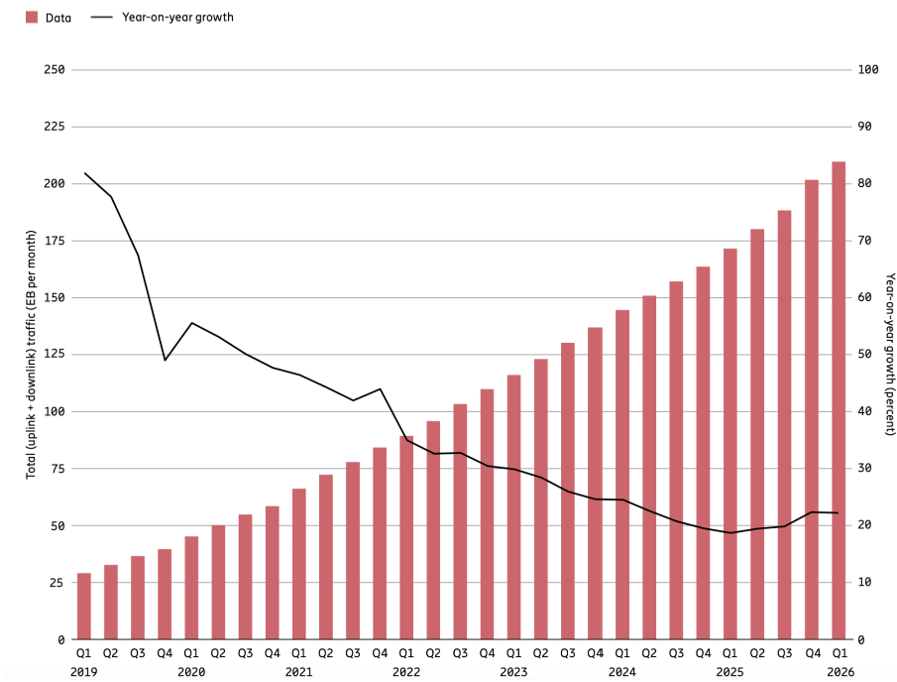
The reason is capacity and traffic density. Moreover, cellular data usage continues to grow unabated.
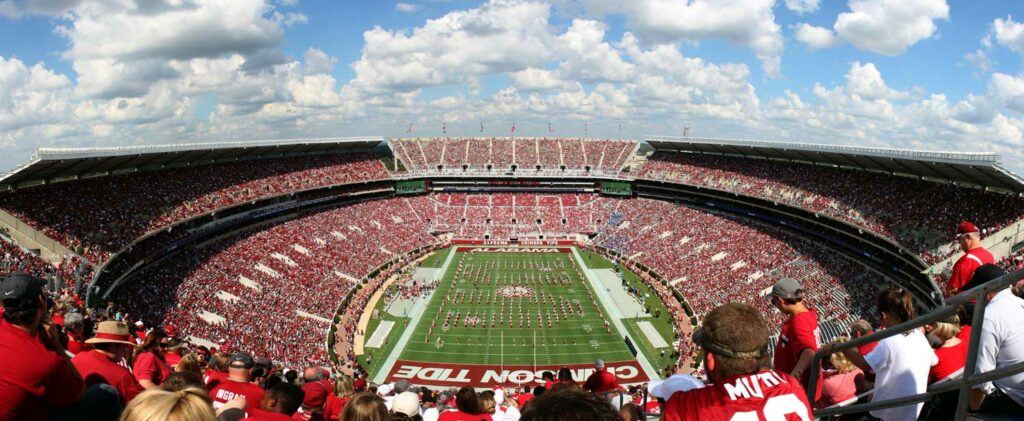
A normal cellular network is designed to serve people spread across neighborhoods, roads, offices and homes. A stadium or venue event often concentrates thousands, if not tens of thousands, of people into one facility for hours. Customers want to use mobile tickets, send messages, order food and drinks, watch replays, post videos, check scores and purchase souvenirs. The demand for mobile connectivity continues throughout the event.
The outside network may reach the building, but it usually cannot deliver enough usable service inside without significant help. Stadium materials also make the problem harder. Concrete, steel, glass, video boards, suites, overhangs and dense seating areas can block, reflect or weaken signal. Even when a phone shows bars, the network may not have enough capacity for the number of users in a venue.
That is the job of DAS: to bring carrier signals into the building and distribute them where people need service. Even then, older DAS installations can run out of capacity as cellular usage continues to grow.
What Makes Up a DAS?
Understanding the major components of a DAS helps explain why design choices can significantly affect both performance and project cost.
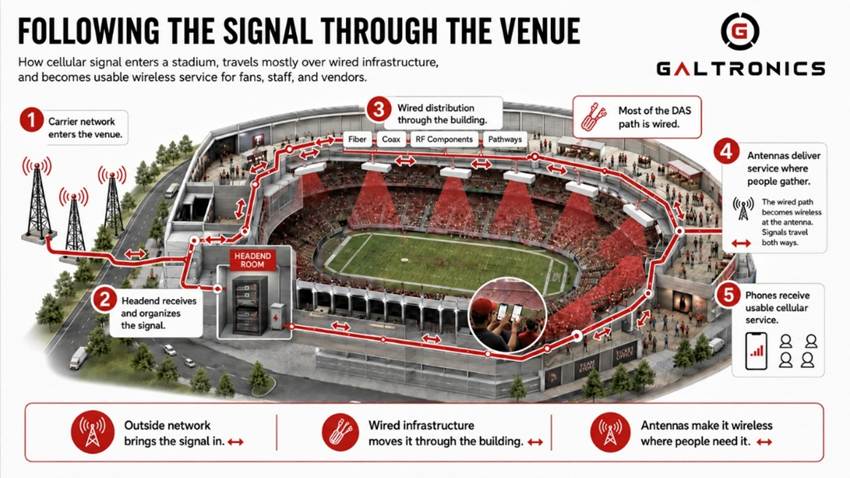
First, the carriers bring their wireless signals to the facility, where they are distributed for customers to use. This is called the signal path and may involve fiber connections, equipment rooms and links back to the carrier network. It is the connection between the stadium system and the broader cellular network.
Second, those signals enter a central equipment area, often called the headend. The headend is the brain or hub of the DAS. It is where carrier signals are received, organized and prepared for distribution through the venue. Examples of headend equipment include gear from companies such as Solid, Andrew or JMA, among others.
Third, the system distributes those signals from the headend to different parts of the building. Venues are often surprised by how much physical infrastructure this requires. DAS is not just antennas. It can involve large amounts of fiber, cable, diplexers, combiners, conduit, cable tray, equipment cabinets, power, cooling and mounting hardware. Each element consumes space, requires coordination with the building and adds cost that may not be visible in an equipment comparison.
Fiber is especially important. In many modern systems, fiber carries signals from the headend to remote equipment locations around the venue. From there, signals may be converted and sent to antennas over coaxial cable or other distribution paths. The exact architecture varies, but the owner should understand the basic point: DAS is a building system. It has a real physical footprint.
Fourth, antennas deliver the signal to customers’ phones and other devices. This is the delivery of the fan experience, even though customers usually never see it. Antennas may be placed in ceilings, concourses, suites, seating areas, handrails, under seats, on walls or overhead above the bowl. Antenna specialists include Galtronics and Matsing, whereas headend companies such as JMA and Andrew also provide antenna products.


Antenna Design Is One of the Most Important Choices in a Stadium DAS
Although every component plays a role, antenna design often has the greatest influence on both performance and installation cost. Every part of the signal path matters, but antenna design is where wireless performance meets the physical realities of the venue. There is no single correct approach. Underseat antennas can work well in some bowls because they place signal close to users. But they require access to seating areas, more installation points and careful protection from weather, cleaning, foot traffic and maintenance activity.
Overhead and highly mounted antennas can serve large seating areas from above, thereby reducing the number of physical locations in the bowl. Multibeams, also mounted overhead or in high locations, add dedicated hyper-directional beams to a facility and can reduce the number of other antennas deployed while delivering exceptional capacity.
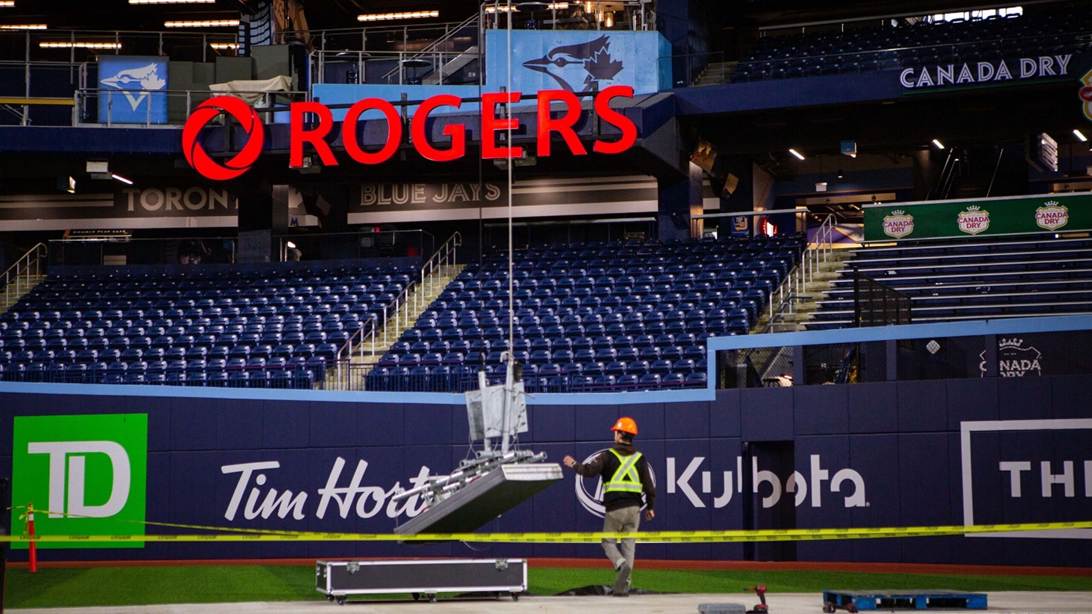
Wireless performance matters. Weight matters. Installation complexity matters. Aesthetics matter. Cable paths matter, particularly in minimizing the impact on a venue. The architecture of the venue often dictates what options are practical. A new building may have more flexibility because pathways, equipment rooms and mounting locations can be planned early. An existing building may be more constrained because designers must work around the structure already in place.
That is why owners should not evaluate DAS only by asking which vendor has the best equipment, even if they are working with a major wireless carrier or 3PO. The consequences of antenna design can extend well beyond wireless performance.
How Antenna Design Changed the Project Economics
A recent NBA arena project illustrates how these design decisions can dramatically affect overall project costs. The original design utilized a combination of globe-like multibeam antennas in the ceiling and traditional stadium antennas placed in the bowl to augment connectivity. One problem: the weight of the large globe antennas would have caused the venue owner to spend $1.2 million structurally reinforcing the roof. By changing the design to newer panel-based multibeams, the venue owner did not have to reinforce the roof at all, while the 3PO saved $700,000 in capital expenditure.
The lesson extends beyond this single project because design decisions affect far more than wireless performance. They determine what the system costs to build. The ownership model determines who pays, who controls the asset and who bears the cost of future upgrades.
Changing Economics
Once owners understand what goes into a DAS, the next question becomes who should own and operate it. In the past, some owners could rely on carrier-funded or carrier-led deployments. That model still exists in major venues where carriers see enough subscriber value, sponsorship value and brand value. But many owners now face a more complicated choice.
Some choose to own the system directly. That may require more capital investment up front, but it can give the venue more control over the asset and future upgrades.
Others work with a neutral host or third-party operator (3PO). In the 3PO model, another company may fund, own or operate the DAS and recover its investment through carrier agreements or venue contracts. 3POs include companies such as American Tower, Arium Networks, formerly part of Crown Castle, Boldyn, Boingo and AFL, among others.
Reducing a venue’s upfront capital costs can be very appealing. Outsourcing the management, upgrade cycle and reliability of a DAS also has significant merits. Conversely, outsourcing can affect some of the economics and long-term flexibility.
This is often a capital expense versus operating expense and complexity decision. The owner either invests directly in the system or pays for access to a system managed by someone else. Neither model is automatically right or wrong. The right answer depends on the venue, event calendar, carrier interest, financial structure and the venue’s long-term goals.
DAS is not just a technology decision. It is a real estate, construction, operations and financial decision.
This also means that one company or one product does not solve every DAS challenge, despite some equipment vendors claiming they can be a one-stop shop. Stadiums are too complex for that. The stadium and venue industry demands better coverage, more capacity and a better customer and employee experience. This requires more attention to total installation design.
For owners, the goal is straightforward: phones need to work, the building needs to support the event, and the investment needs to make sense.
Owners should remember three key principles: cellular connectivity is now part of the venue’s core infrastructure and customer experience; DAS design affects more than signal quality, including construction cost, aesthetics, maintenance and future flexibility; and the ownership and financing model determines who controls the system, who pays for upgrades and who captures its long-term value.
DAS is complicated, but it should not be mysterious. The more owners understand the basic system, the better prepared they will be to choose the right partners, ask the right questions and protect the long-term value of their venue.
Those principles translate into practical questions every owner should ask before approving a design:
- What type of customer experience does my venue need to deliver wirelessly?
- What are my own needs in terms of dedicated employee/vendor connectivity?
- Are there revenue opportunities enhanced connectivity will deliver?
- How do I ensure carriers will connect to my DAS?
- How will the carrier signals reach the venue?
- Where is the headend located?
- How much fiber and cabling will be required?
- Where will the cable pathways run?
- How many and what type of antennas are needed?
- Where will they be mounted?
- How visible will they be?
- How will public safety interface to the system?
- Who owns the system?
- Who pays for upgrades?
- Who maintains it?
- How will future carrier requirements be handled?
These are not engineering questions. They are stadium and venue questions.
About Galtronics
At Galtronics, we focus on stadium antenna technology because that’s where customers see the cellular experience. We design antennas that deliver cellular signal in high traffic, high density environments including stadiums and venues.
Galtronics provides both high quality traditional stadium antennas as well as patented panel based multibeam solutions that are mounted high or overhead in facilities. The combination provides coverage where people are seated while reducing unnecessary physical installation points while delivering high quality, high density cellular connectivity.
With our recent acquisition of Kaelus, we are also adding more capability upstream in the signal path. Kaelus brings products that help combine, filter, condition, synchronize and test radio-frequency signals before they reach the antenna layer. In the right design, that can help simplify cabling and reduce installation complexity.
About the Author
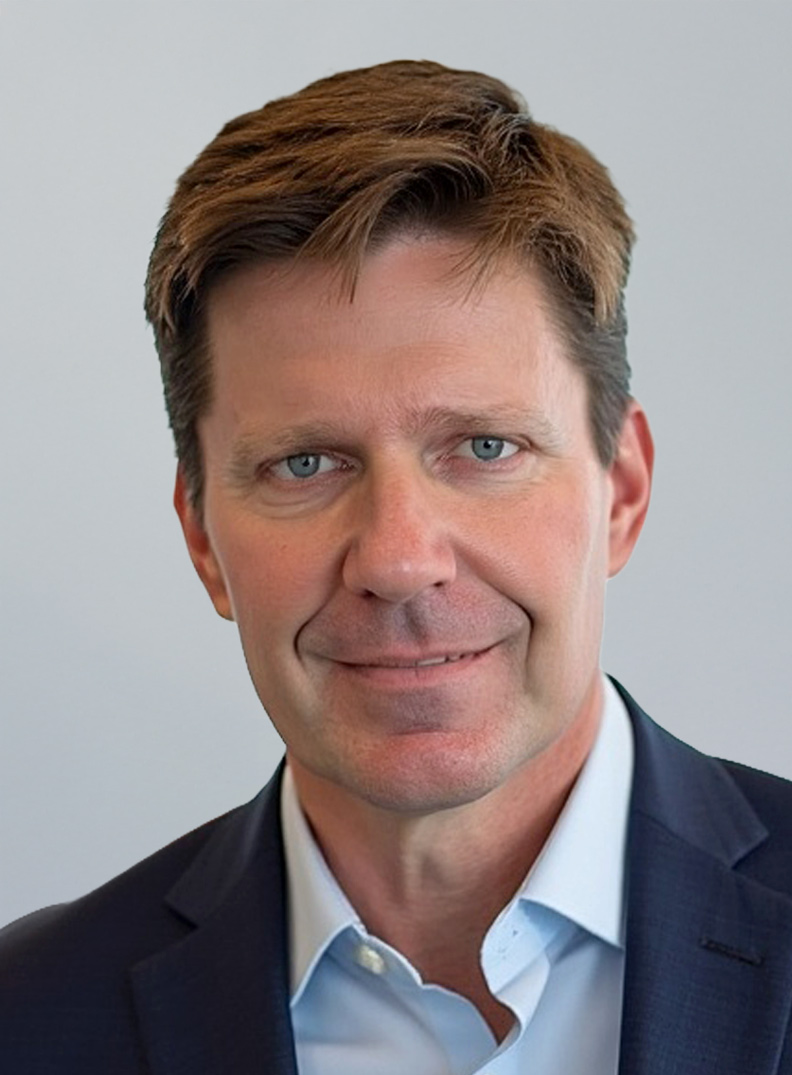
Leighton Carroll is the CEO of Galtronics’ parent company, Baylin Technologies. Previously, he was the President of QuadGen Wireless (now part of MasTec) which is a national RF system integrator and stadium/venue/DAS design company. He has over 25 years of corporate technology leadership experience, including wireless networking, satellite communications, engineering, and software development.
He is a graduate of Virginia Tech and has executive education from Harvard Business School, the Wharton Business School, and the MIT Sloan School of Business.