

I spend a lot of time thinking about wireless performance in crowded venues. Usually, I am doing it because someone has asked me to evaluate a network, troubleshoot a problem or explain why a design behaves differently when tens of thousands of people arrive.
Recently, I found myself conducting an unplanned field test while attending a major outdoor sporting event. I was there on a day off, my wife was meeting me later, and I had no intention of thinking about wireless infrastructure.
Then I tried to find her.
What followed illustrates why venue connectivity should not be framed as Wi-Fi versus cellular. People expect their phones to work without having to think about which network is carrying the traffic. Delivering that experience requires cellular and Wi-Fi to be available, well designed and able to share the load, particularly when large crowds gather.
This story is also about a second issue that does not get enough attention. Building Wi-Fi is only part of the job. The network has to connect people before they discover that they need it.
The call that would not go through
I arrived early while my wife stayed at the hotel. As she approached the event, I watched her location on my phone and headed toward the entrance to meet her. Then her location stopped updating.
My phone was working normally because it had connected to the event Wi-Fi. Hers had not. Like most guests arriving at a busy venue, she was focused on finding the entrance, presenting her credential and locating me. She was not focused on checking how her phone was connected.
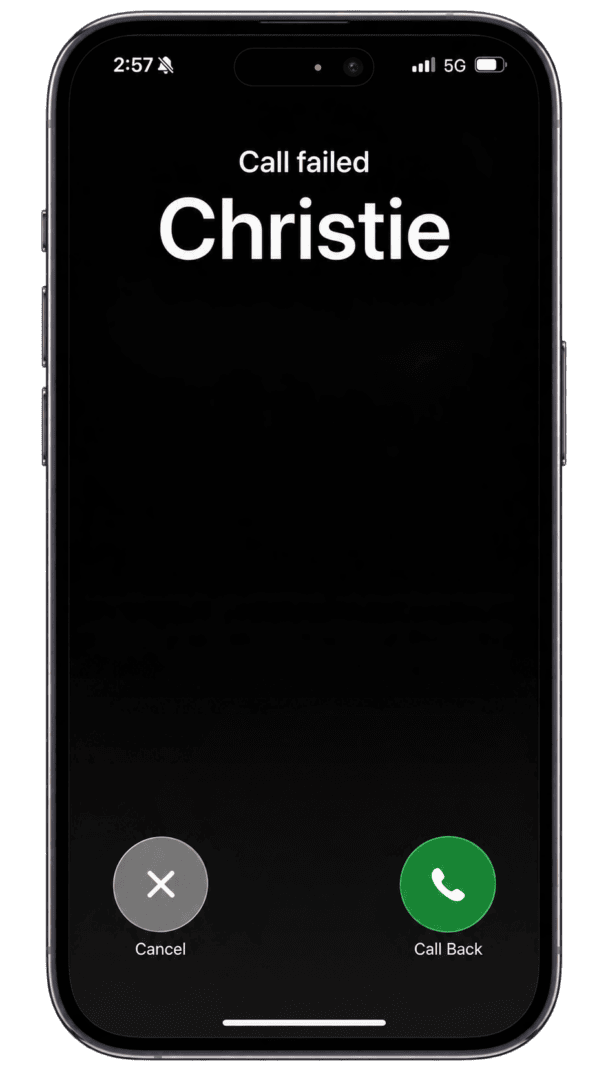
I tried calling twice. Both calls failed, while text messages went through only intermittently.
Until then, I had not noticed a connectivity problem because I was on Wi-Fi. It became apparent only when I tried to reach someone relying on cellular. That distinction matters: A venue may see thousands of guests using Wi-Fi successfully while having little visibility into the failed calls, delayed messages and stalled location updates experienced by those who remain on cellular.
My phone knew something was wrong
Eventually, my wife spotted me in the crowd (a benefit of being 6’6” I suppose), and we met without help from our phones. Later, the wireless engineer in me took over, and I asked to borrow her phone to run diagnostics on her device.
The phone had detected a cellular issue. Its hardware and eSIM passed their checks, but cellular service remained unresolved. I followed the recommendation to restart the phone, then tried calling again. The call still failed.
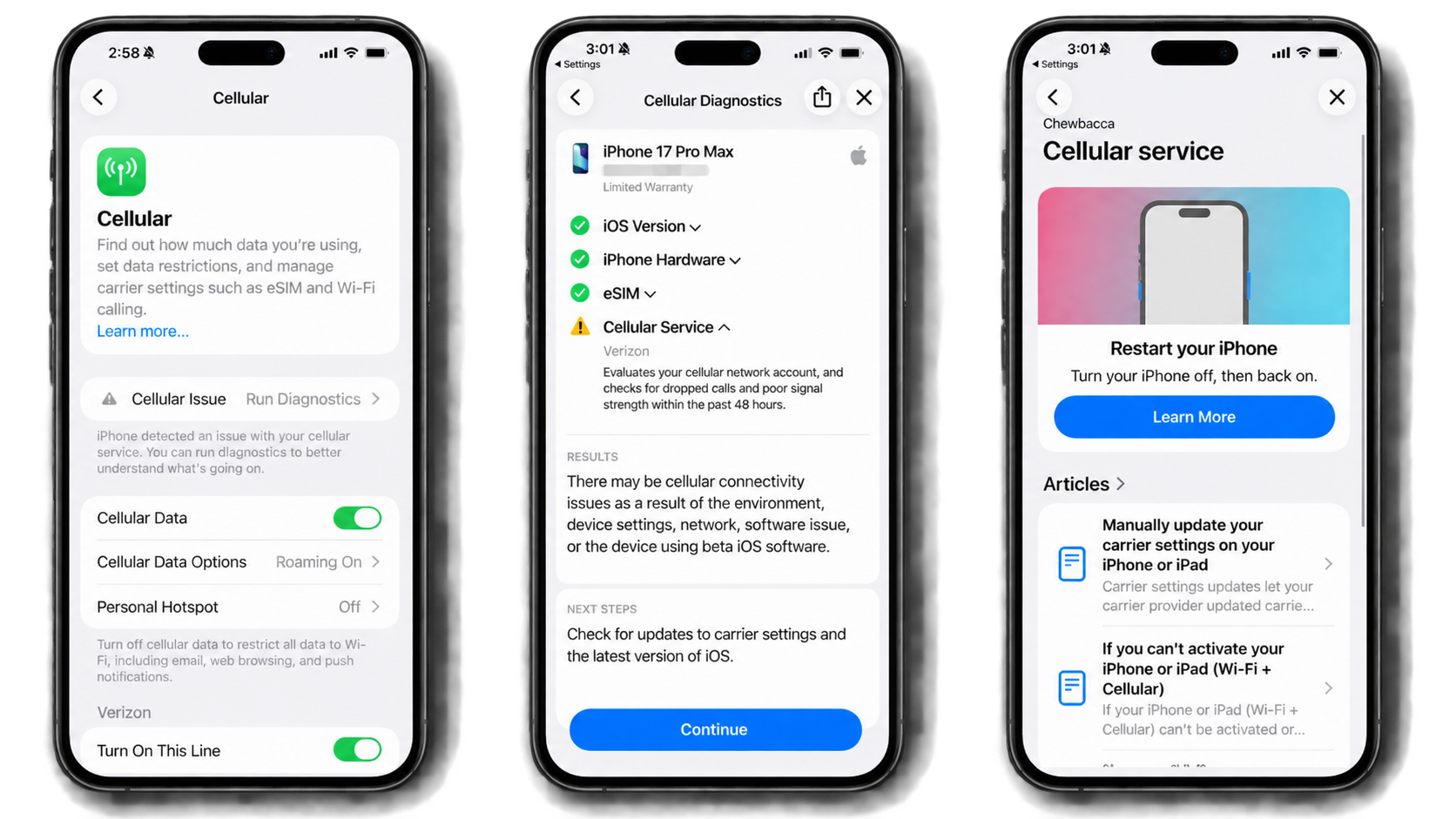


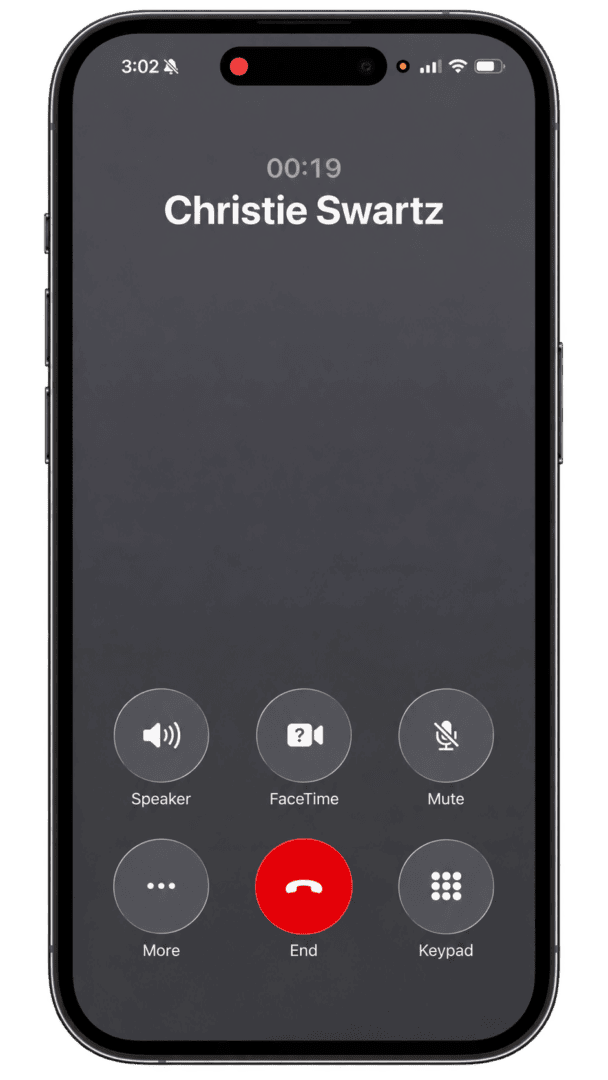
Then, I connected both phones to the event Wi-Fi and placed another call. It went through normally. Same people, phones, location and event. The meaningful change was that both devices were now on Wi-Fi and utilizing Wi-Fi calling.
This is a better-together story
This experience is not an argument against cellular. Wi-Fi and cellular are complementary technologies, and high-density venues benefit when both are available and engineered for the environment.
When a meaningful percentage of the crowd connects to Wi-Fi, that traffic no longer has to compete for the same cellular capacity. That can improve the experience for people using Wi-Fi and for those who remain on cellular. Cellular provides broad, familiar coverage, while Wi-Fi gives venue operators another way to add capacity where and when it is needed. Together, they create a more resilient connectivity environment.
The challenge is that cellular investment is not uniform across every type of venue or event. A flagship stadium with year-round activity may justify an extensive permanent cellular system. A temporary golf course, music festival, outdoor amphitheater or seasonal venue presents a different economic and technical equation.
High-density Wi-Fi can be deployed more quickly and at a scale appropriate to the event. It can provide capacity for calling, messaging, uploading photos, using event applications and accessing digital services without requiring the same type of permanent infrastructure.
Additional spectrum expands what Wi-Fi can contribute in crowded venues. Europe currently makes the lower portion of the 6 GHz band available for Wi-Fi, adding capacity for newer Wi-Fi technologies. In countries where the full 6 GHz band is available, additional wide channels can support greater capacity and advanced, bandwidth-intensive applications, including AI-enabled experiences. This event was not a test of 6 GHz, but access to more spectrum gives venue operators more options as connectivity demands grow.
That demand is increasingly upload-heavy. Fans are taking photos, sending videos, posting to social media and backing media up to the cloud. In another recent test at a sold-out outdoor concert venue, the Wi-Fi connection delivered substantially stronger upload performance than the cellular connection available to me at the same location.
That difference can determine whether a phone feels fully usable when the crowd arrives. Wi-Fi is not simply another way to download a webpage. In a high-density environment, it can be the difference between having a normal phone experience and having a device that shows a signal but cannot complete the task you are asking it to perform.
Building Wi-Fi is only half the job
There was still a problem at the event. The Wi-Fi worked, but my wife was not connected to it.
That is not unusual. Most people do not enter a venue thinking about network selection. They are finding their seats, locating friends, opening tickets, checking schedules or trying to understand where they are supposed to go. Even a well-designed network provides limited value to someone who never joins it.
My wife was married to the Wi-Fi person, and even she did not think to look for the network when she arrived. That tells you something about how realistic it is to expect the average guest to solve this on their own.
The better answer is to make the connection automatic.
The OpenRoaming opportunity
OpenRoaming offers a way to close that gap.
At a basic level, OpenRoaming allows a phone to recognize and securely join an eligible Wi-Fi network using credentials the user already has. The guest does not have to search for a network, enter a password or work through a separate sign-in process each time.
One path is authentication through a participating service provider. Another—and the one I find especially interesting for sports and live events—is authentication through an application the guest already uses.
In practical terms, my wife could have arrived at the event with an application she already needed for her ticket, schedule, map or event information. Her phone could then have connected to the Wi-Fi automatically. Her location could have continued updating, and our calls might have worked before either of us realized that the cellular network was under stress.
A better connection to the fan
App-based authentication can also create a more direct relationship between the venue and the guest. When authentication occurs through a participating service provider, the venue may not know who has joined the Wi-Fi. When a guest connects through a venue or event application, the venue may already know that the person has an account or holds a ticket.
The connectivity benefit should come first. But app-based authentication can also make Wi-Fi part of the venue’s broader digital experience rather than an isolated utility guests must rediscover at every event.
Automation only works when the network is ready
If you make it easier for thousands of people to join the Wi-Fi, more people will join. I think of it this way: If you direct every car onto the same bridge, you need to be certain the bridge can carry the traffic.
OpenRoaming complements—not replaces—capacity planning. The wireless capacity, wired infrastructure and internet connectivity must all be engineered for the resulting demand.
When the network is ready, OpenRoaming can turn available Wi-Fi into used Wi-Fi. That is a meaningful distinction.
Venue operators should plan for ordinary moments
A failed call between two people trying to meet may not sound like a major operational issue. But it is exactly the kind of ordinary moment that defines whether a guest believes the venue is connected. The same network also supports mobile tickets, event information, digital transactions and staff operations.
Venue operators should not assume that a strong signal indicator guarantees a usable experience. A phone may display cellular or Wi-Fi service while congestion prevents a call or data session from completing. Real performance must be evaluated under event conditions, not inferred from an icon at the top of a screen.
I went to the event expecting to watch the competition and spend the day with my wife. Instead, I ended up restarting phones, running diagnostics and collecting screenshots. That is probably an occupational hazard for a wireless engineer.
But the experience made the issue unusually clear. A network proves its value when it allows people to do ordinary things without thinking about the infrastructure underneath them.
In this case, the ordinary thing was finding my wife and calling her.
The Wi-Fi worked. The missing piece was getting her connected to it.
Matt Swartz is a distinguished wireless engineer at Cisco specializing in high-density Wi-Fi for large public venues and major live events.